This report was updated for Laitiku readers with the latest context and analysis.
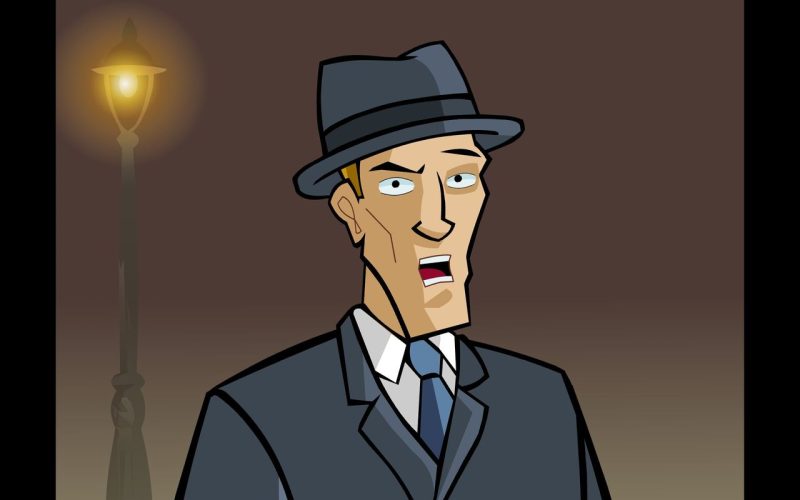
Remember when your browser was the gateway to nightmares? Before Steam and itch.io, there was a time when the scariest games you could play were hidden in plain sight on the web, powered by a little plugin called Flash. Think back to the 2000s—dial-up screams, pixelated jump scares, and games that spread like wildfire through school hallways and forum links. But what made those Flash horror games so unforgettable? And why do developers still look back on them with such fondness?
Indie horror creators are now reflecting on that golden era, and they're not shy about their love for it. From the interactive terror of Hotel 626 to the episodic mystery of Arcane: Online Mystery Serial, these games weren't just distractions—they were cultural touchstones. They didn't have massive budgets or cutting-edge graphics, but they had something else: a raw, unfiltered creativity that felt personal and immediate. It was like discovering a hidden gem in a candy shop, except the candy might bite back.
Hotel 626, for instance, was a browser-based horror experience that used your webcam and microphone to mess with your head. It was a brilliant fusion of the digital and the real, making you feel like the game was watching you. Meanwhile, Arcane: Online Mystery Serial delivered a story-driven horror that unfolded in episodes, keeping players hooked and theorizing between releases. These games weren't just about scares—they were about immersion and community, often shared through word-of-mouth and chat rooms.
What set these Flash games apart was their accessibility. You didn't need a fancy console or a powerful PC. If you had a browser and an internet connection, you were in. That democratization of horror meant anyone could stumble into a nightmare, and developers could experiment without the fear of a huge financial flop. It was a playground for ideas, where weird and wonderful concepts could thrive.
Now, with Flash officially dead and gone, it's easy to feel nostalgic for that era. But the influence lives on. Modern indie horror games owe a debt to those early web experiments. They proved that horror doesn't need photorealism or expensive set pieces—it just needs a clever hook and the willingness to make players feel uneasy. The viral nature of Flash games also taught developers how to craft experiences that people couldn't help but share.
So, the next time you boot up a creepy indie title on your Steam library, take a moment to tip your hat to the Flash games that paved the way. They may have been janky and low-res, but they were pure in their ambition. And honestly, they don't make 'em like they used to. But maybe that's okay—because those games left a legacy that still haunts us in the best way possible.
What's your favorite Flash horror memory? Was there a game that kept you up at night? Share your scariest browser-based experience in the comments below!
Comments (0)
Log in to join the discussion
Log InNo comments yet